Ahwatukee Chiropractor | Spinal Decompression | Back Pain Relief

Enhance Mobility and Reduce Discomfort with Targeted Physiotherapy Treatments in Ahwatukee, Arizona
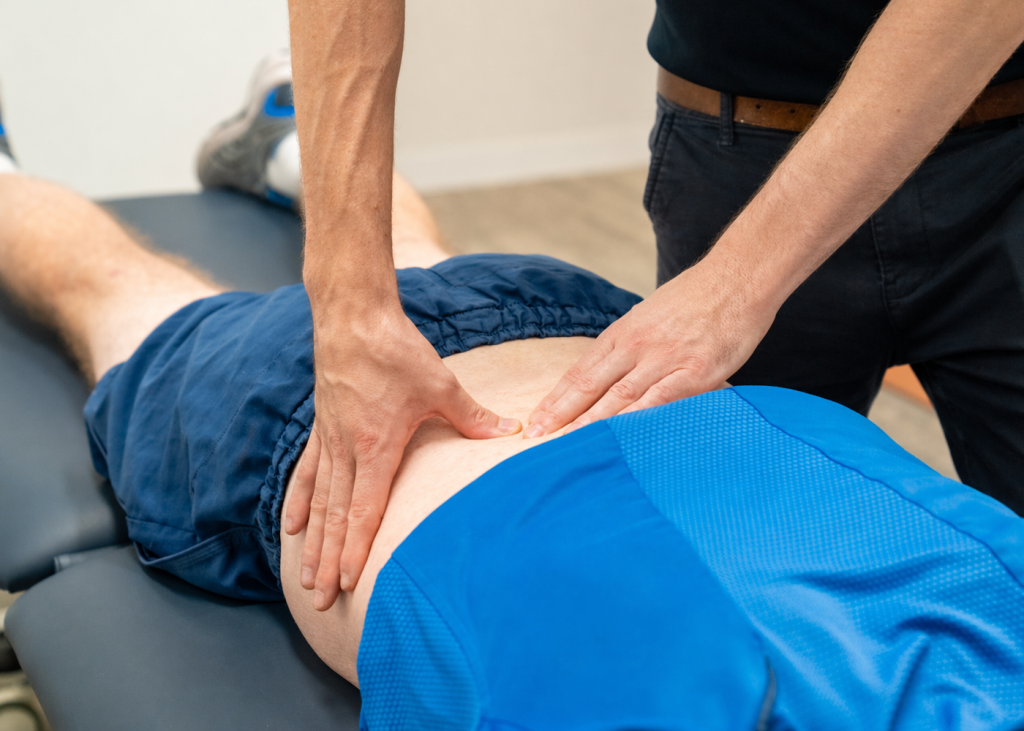
When pain, stiffness, or limited mobility begins interfering with everyday life, even simple activities can become challenging. Walking, climbing stairs, exercising, working at a desk, or enjoying hobbies may feel more difficult than they once did.
Many mobility issues develop gradually over time due to repetitive movements, poor posture, aging, injuries, or long periods of inactivity. Fortunately, physiotherapy offers a non-invasive approach that can help improve movement, reduce discomfort, and support long-term physical function.
At Boardman Family Chiropractic in Ahwatukee, physiotherapy treatments are designed to help patients restore mobility, strengthen affected areas, and return to daily activities with greater comfort and confidence.
Understanding Mobility Challenges
Healthy movement depends on muscles, joints, ligaments, tendons, and nerves working together efficiently. When one part of the body becomes restricted or weakened, compensation patterns can develop that place additional stress on surrounding structures.
For example, reduced mobility in the hips may affect walking mechanics and increase strain on the knees or lower back. Tight muscles in the neck and shoulders can contribute to discomfort, tension, and reduced range of motion.
Over time, these limitations may lead to:
Difficulty performing daily activities
Reduced flexibility
Muscle weakness
Joint stiffness
Persistent discomfort
Decreased physical activity levels
Addressing these issues early can help prevent further movement restrictions and support better overall function.
Common Causes of Reduced Mobility
Many people assume mobility problems only occur after a major injury. However, everyday habits often play a significant role.
Some common causes include:
Poor posture
Extended sitting
Repetitive motions at work
Sports-related injuries
Muscle imbalances
Joint dysfunction
Age-related stiffness
Previous accidents or injuries
Lack of regular physical activity
Residents throughout Ahwatukee, Phoenix, Chandler, Tempe, and Gilbert often spend long hours commuting or working at desks, which can contribute to muscle tightness and movement limitations over time. According to the Mayo Clinic, prolonged sitting and physical inactivity can significantly impact musculoskeletal health and overall longevity, making regular movement essential.
How Physiotherapy Helps Improve Mobility
Physiotherapy focuses on restoring movement and physical function through targeted therapeutic techniques and exercises.
Rather than simply addressing symptoms, physiotherapy aims to identify factors contributing to mobility limitations and create a personalized treatment plan to improve function.
Treatment may include:
Therapeutic Exercise
Specific exercises are designed to improve strength, flexibility, balance, and coordination. Strengthening weak muscles can provide better support for joints and improve overall movement patterns.
Stretching Programs
Tight muscles and connective tissues can restrict movement and contribute to discomfort. Guided stretching programs help improve flexibility and increase range of motion.
Mobility Training
Mobility exercises focus on restoring normal joint movement and improving the body’s ability to perform everyday activities more efficiently.
Balance and Stability Exercises
Improving balance and stability can reduce the risk of falls and help patients move with greater confidence during daily activities.
Functional Movement Training
Physiotherapy often incorporates movements that mimic real-life activities, helping patients safely return to work, exercise, sports, and recreational activities.
Conditions That May Benefit from Physiotherapy
Physiotherapy can be beneficial for a variety of musculoskeletal conditions that affect mobility and comfort.
Patients often seek care for:
Lower back discomfort
Neck pain and stiffness
Shoulder pain
Hip discomfort
Knee pain
Sports injuries
Muscle strains
Joint stiffness
Balance issues
Recovery after injury
Each patient’s needs are unique, which is why treatment plans are tailored to individual goals and physical capabilities.
Signs You May Benefit from Physiotherapy
Many people wait until symptoms become severe before seeking help. However, early intervention may help prevent minor issues from becoming larger problems.
You may benefit from physiotherapy if you experience:
Difficulty bending or reaching
Stiffness after sitting for extended periods
Pain during physical activity
Reduced flexibility
Muscle weakness
Balance challenges
Discomfort when walking
Limited range of motion
If these symptoms are affecting your daily routine, an evaluation can help determine the most appropriate treatment approach. Learn more about our care philosophy on our about us page.
Benefits of Physiotherapy
Patients often choose physiotherapy because it focuses on improving function while supporting long-term mobility and wellness.
Potential benefits include:
Improved flexibility
Better range of motion
Increased muscle strength
Enhanced balance and coordination
Reduced stiffness
Improved posture
Greater comfort during daily activities
Improved physical performance
Better overall quality of life
As mobility improves, many patients find it easier to remain active and participate in the activities they enjoy. For more wellness tips, check out our blog.
Supporting Long-Term Mobility
Maintaining mobility requires more than occasional treatment. Long-term success often involves healthy movement habits, regular exercise, and consistent attention to posture and body mechanics.
Simple strategies that may support mobility include:
Taking regular movement breaks during the workday
Stretching consistently
Staying physically active
Maintaining proper posture
Following prescribed exercise programs
Addressing discomfort before it worsens
Combining these habits with professional physiotherapy care can help support lasting improvements in movement and physical function.
Frequently Asked Questions
How does physiotherapy help improve mobility?
Physiotherapy uses exercises, stretching techniques, mobility training, and functional movement strategies to improve flexibility, strength, and overall movement.
Is physiotherapy only for injuries?
No. Physiotherapy may also help individuals experiencing stiffness, reduced flexibility, balance issues, or mobility limitations caused by everyday activities or aging.
How many physiotherapy sessions will I need?
The number of sessions varies depending on the individual’s condition, goals, and response to treatment.
Can physiotherapy help me stay active as I age?
Many adults use physiotherapy to maintain mobility, improve balance, strengthen muscles, and support an active lifestyle.
Will I receive exercises to do at home?
Many treatment plans include home exercises that help reinforce progress made during appointments.
Improve Your Mobility and Move with Greater Confidence
Restricted movement and ongoing discomfort do not have to become a permanent part of your life. Physiotherapy can help improve flexibility, restore function, and support a more active lifestyle.
If pain, stiffness, or mobility limitations are preventing you from enjoying daily activities, professional physiotherapy care may help you get back to moving comfortably.
Boardman Family Chiropractic
📍 10235 S. 51st St. #170, Phoenix, AZ 85044
📞 (480) 704-1954
🌐 ahwatukeechiropractic.com
Schedule an appointment today to learn how personalized physiotherapy treatments can help you improve mobility, reduce discomfort, and support long-term wellness.