Ahwatukee Chiropractor | Spinal Decompression | Back Pain Relief

How Physiotherapy Helps Improve Strength, Mobility, and Everyday Movement
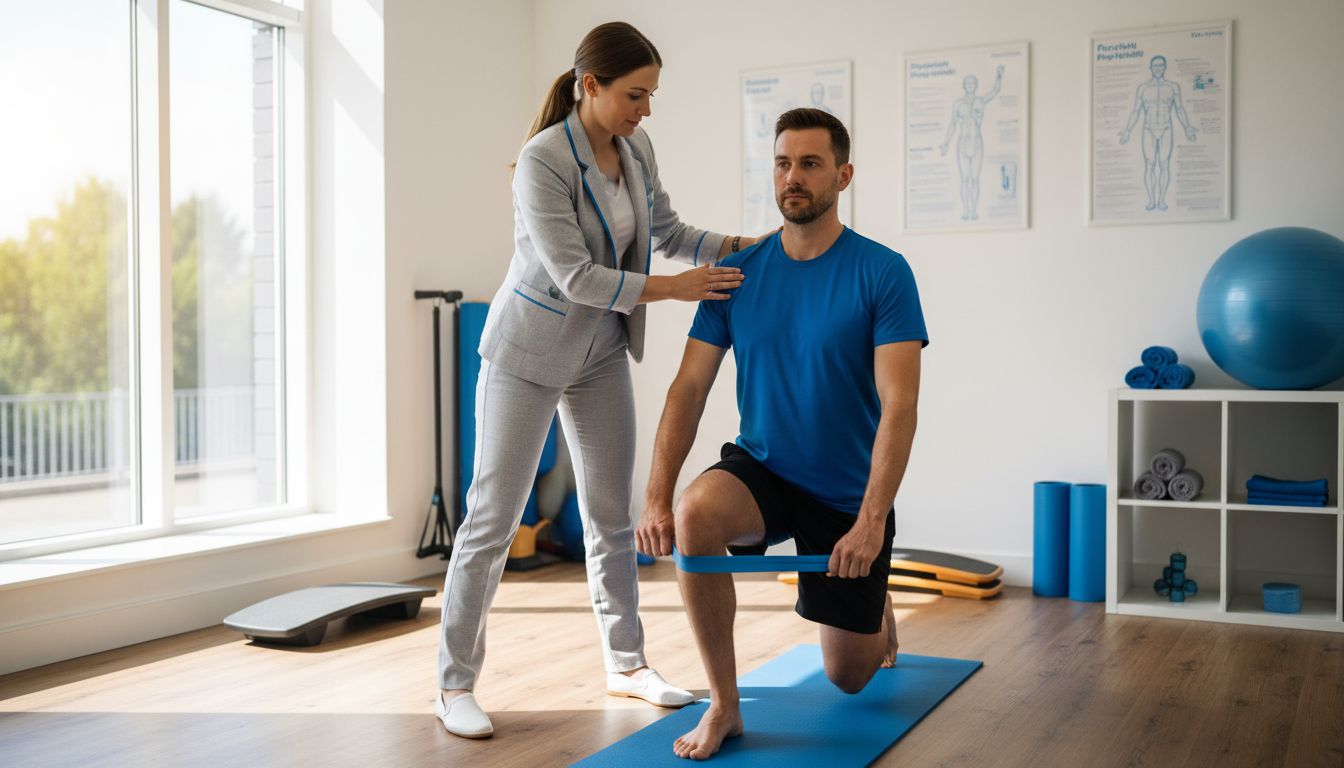
Everyday movement depends on strength, flexibility, balance, and coordination. When pain, stiffness, an injury, or another physical condition affects these abilities, simple activities such as walking, bending, reaching, lifting, or getting up from a chair can become more difficult.
Physiotherapy can help support better movement by using individualized exercises, stretching, manual techniques, education, and other approaches designed around a person’s condition and goals. Physical therapy is commonly used to improve strength, flexibility, mobility, and the ability to move safely and confidently.
At Boardman Family Chiropractic, physiotherapy is part of a personalized approach to helping patients improve movement, reduce discomfort, and restore function.
What Is Physiotherapy?
Physiotherapy focuses on improving physical function and movement. Treatment can be useful for people recovering from an injury, managing a chronic condition, dealing with stiffness, or working toward better overall physical function.
According to the Cleveland Clinic, physical therapy combines exercises, stretches, and movements to help increase strength, flexibility, and mobility.
At Boardman Family Chiropractic, physiotherapy programs are individualized according to a patient’s needs. The practice describes its approach as combining chiropractic care with personalized physiotherapy programs to support physical function and mobility.
How Physiotherapy Supports Strength
Muscle strength plays an important role in everyday movement. Strong muscles help support the body during activities such as standing, walking, climbing stairs, lifting objects, and maintaining posture.
Physiotherapy may include therapeutic exercises that gradually challenge specific muscle groups. These exercises can be adjusted according to a person’s condition, physical abilities, and goals.
The Mayo Clinic notes that physical therapy can include strengthening, stretching, and aerobic conditioning, along with education about body mechanics, lifting techniques, and posture.
A consistent exercise program may help build strength while also supporting better movement patterns.
Improving Mobility and Flexibility
Mobility refers to the ability to move the body comfortably and effectively. Limited mobility may make everyday activities more challenging.
Physiotherapy can address movement limitations through stretching, therapeutic exercises, manual therapy, and other appropriate techniques. The goal is not simply to exercise but to help the body perform movements more effectively.
Improved mobility can make activities such as:
Walking
Bending
Reaching
Sitting and standing
Getting in and out of a vehicle
Climbing stairs
Performing household activities
more manageable.
The National Institutes of Health’s Eunice Kennedy Shriver National Institute of Child Health and Human Development explains that physical therapy uses activities and exercises to improve movement, strength, balance, and physical function.
Supporting Everyday Movement
One of the important goals of physiotherapy is helping people function better in everyday life.
Rather than focusing only on a particular symptom, a physiotherapy program may consider how a person moves during normal activities. Treatment can be designed around individual needs and physical abilities.
For example, someone recovering from an injury may need to rebuild strength and mobility before returning to normal activities. Someone dealing with chronic discomfort may need exercises and movement strategies that support continued physical function.
WebMD notes that physical therapy may help people improve movement and their ability to perform daily tasks, while treatment can include specific exercises, stretching, joint mobilization, hands-on techniques, and education.
Conditions That May Benefit From Physiotherapy
At Boardman Family Chiropractic, physiotherapy services are described as being used for a variety of conditions, including:
Musculoskeletal Injuries: Sprains, strains, and joint injuries.
Orthopedic Conditions: Arthritis, tendonitis, and post-surgical rehabilitation.
Neurological Disorders: Stroke recovery, multiple sclerosis, and Parkinson’s disease.
Sports Injuries: Injuries related to athletic activities and sports performance.
Chronic Pain: Conditions like fibromyalgia and chronic back pain.
Pediatric and Geriatric Care: Developmental issues in children and age-related conditions in older adults.
The appropriate approach depends on the individual’s condition, physical abilities, and treatment goals.
What to Expect From Physiotherapy
A physiotherapy program typically begins with an evaluation. This allows the care team to understand a person’s medical history, current condition, physical abilities, and movement limitations.
At Boardman Family Chiropractic, the physiotherapy approach includes:
Comprehensive Evaluation: We begin with a thorough assessment of your medical history, current condition, and physical abilities.
Customized Treatment Plan: Based on your evaluation, we develop a tailored physiotherapy program that aligns with your specific needs and goals.
Evidence-Based Techniques: Our physiotherapists utilize a variety of techniques, including manual therapy, therapeutic exercises, modalities, and education, to facilitate healing and restore function.
This personalized process helps ensure that the treatment approach is connected to the patient’s individual needs rather than following a single routine for everyone.
Physiotherapy and a More Active Lifestyle
Pain or limited movement can sometimes make people less active. Over time, reduced activity may make it harder to maintain strength, flexibility, and physical function.
A gradual, appropriate movement program can help people work toward becoming more active while considering their current abilities. Mayo Clinic describes physical therapy as including strengthening, stretching, aerobic conditioning, and education that can support improved physical function.
The goal is to help patients work toward practical improvements that matter in everyday life, whether that means moving more comfortably, returning to activities, or improving physical function.
Why Choose Boardman Family Chiropractic?
At Boardman Family Chiropractic, physiotherapy is integrated with chiropractic care to provide a personalized approach to movement and physical health.
The practice offers a range of services, including chiropractic care, physiotherapy, massage therapy, and non-surgical spinal decompression.
You can learn more about the practice through the About page, explore additional health information through the Blog, or review available services.
Frequently Asked Questions
1. What is physiotherapy used for?
Physiotherapy can help improve movement, strength, flexibility, balance, and physical function. It may be used following an injury, during rehabilitation, or when a health condition affects movement.
2. Can physiotherapy help improve mobility?
Yes. Physiotherapy commonly uses exercises, stretching, movement training, and other techniques designed to improve mobility and physical function.
3. Is physiotherapy only for people recovering from injuries?
No. Physiotherapy may also be used for chronic conditions, age-related changes, sports-related problems, neurological conditions, and other issues that affect movement and physical function.
4. How is a physiotherapy program customized?
Treatment can be based on a person’s medical history, current physical abilities, condition, movement limitations, and individual goals. Boardman Family Chiropractic begins with an evaluation before developing a customized treatment plan.
5. Can physiotherapy help with everyday activities?
Physiotherapy can be designed to support functional movement and daily activities. Treatment may focus on improving the strength, flexibility, balance, and mobility needed for normal physical tasks.
6. What techniques may be used during physiotherapy?
Depending on the individual’s needs, treatment may include manual therapy, therapeutic exercises, stretching, modalities, movement training, and education.
Conclusion
Strength and mobility are important parts of everyday physical function. When pain, stiffness, injury, or another condition affects movement, physiotherapy can provide a structured approach to improving strength, flexibility, mobility, balance, and function.
At Boardman Family Chiropractic, physiotherapy programs are personalized according to each patient’s physical condition and goals. The approach may include therapeutic exercises, manual therapy, modalities, and education designed to support movement and recovery.
If limited mobility or discomfort is making everyday activities more difficult, learning about available care options can be an important first step.
Ready to work toward better strength, mobility, and everyday movement?
Contact Boardman Family Chiropractic to learn more about personalized physiotherapy and available care options.
📍 Boardman Family Chiropractic
10235 S. 51st St. #170
Phoenix, AZ 85044
📞 (480) 704-1954
🌐 ahwatukeechiropractic.com