Ahwatukee Chiropractor | Spinal Decompression | Back Pain Relief

Build Strength and Improve Movement with Personalized Exercise & Rehabilitation Programs
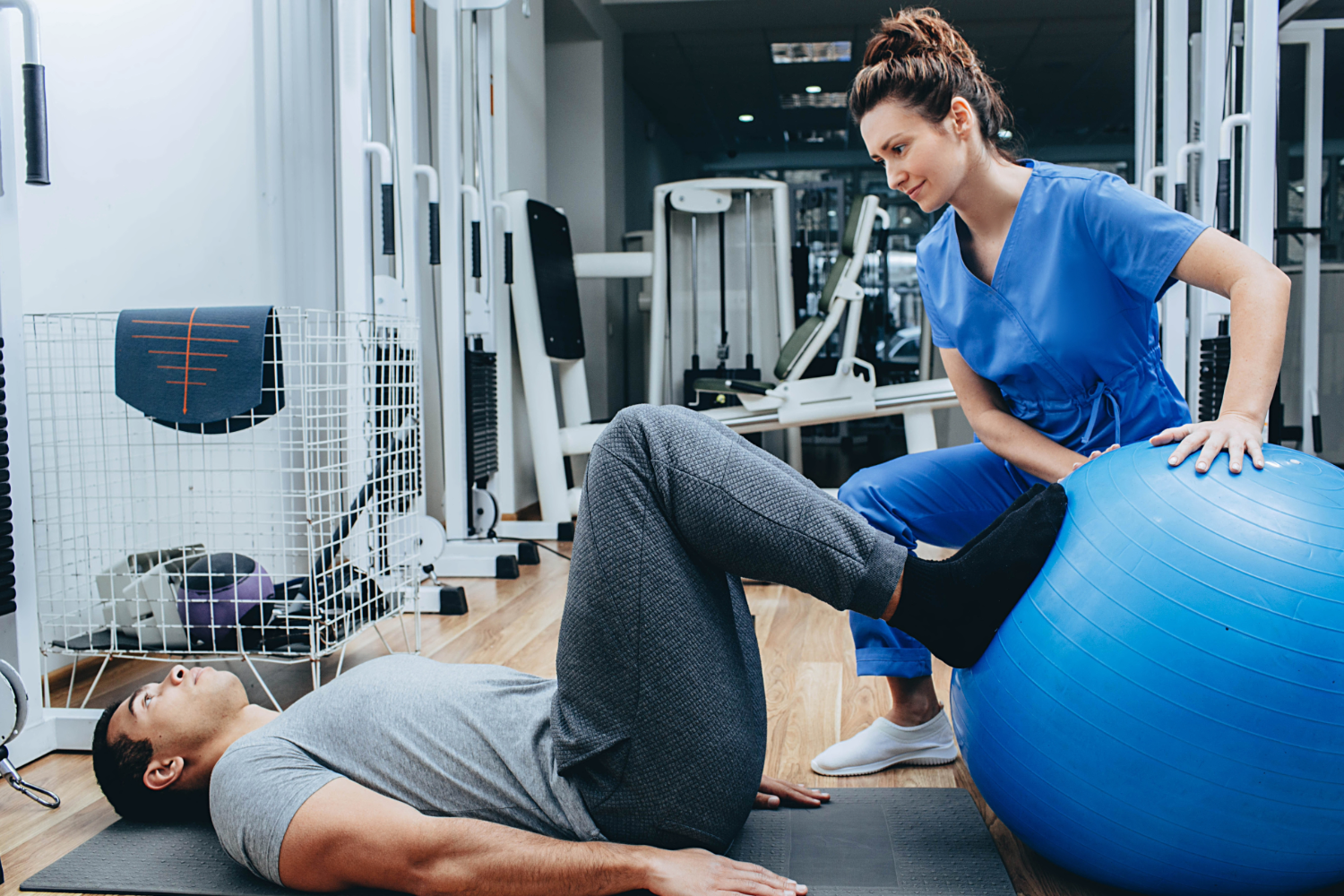
Modern lifestyles place a surprising amount of stress on the human body. Long hours of sitting, repetitive movements, limited physical activity, and even stress can gradually change how we move. Over time, these factors often lead to stiffness, weakness, reduced mobility, and recurring discomfort in areas like the neck, back, hips, and shoulders.
The challenge is that most people do not notice these changes until pain begins to interfere with daily life. By then, movement patterns are already affected, and simple rest alone is usually not enough to correct the underlying issue.
This is where personalized exercise and rehabilitation programs become essential. Instead of focusing only on symptoms, these programs focus on restoring strength, improving movement quality, and helping the body function as a coordinated system again.
At Boardman Family Chiropractic, care is centered around helping individuals rebuild movement capacity through structured, progressive rehabilitation strategies tailored to each person’s needs.
Why Movement Dysfunction Develops Over Time
The human body is designed for movement. When movement becomes limited or repetitive, certain muscles become overactive while others weaken. This imbalance gradually affects posture, joint stability, and overall function.
Common contributors include:
Desk-based work and prolonged sitting
Poor posture habits (forward head, rounded shoulders)
Previous injuries that never fully rehabilitated
Lack of regular strength or mobility training
Repetitive lifting or twisting activities
Sedentary lifestyle patterns
These factors do not always cause immediate pain. Instead, the body adapts in ways that may seem harmless at first. Over time, however, these adaptations can lead to:
Chronic muscle tightness
Joint irritation and stiffness
Reduced range of motion
Muscle fatigue during normal activities
Increased risk of strain or injury
Research in rehabilitation science consistently shows that restoring proper movement patterns through structured exercise improves long-term functional outcomes more effectively than rest alone:
What Makes a Rehabilitation Program “Personalized”?
No two individuals move in exactly the same way. Even people with similar pain symptoms may have very different underlying causes. This is why personalized rehabilitation is important.
A structured program typically begins with a movement and function assessment. This helps identify:
Muscle imbalances (weak vs. overactive muscles)
Joint mobility restrictions
Poor movement mechanics (squatting, bending, reaching)
Core stability deficiencies
Compensation patterns caused by old injuries
Once these factors are identified, a targeted program is created to address them directly.
A personalized rehabilitation plan may include:
Corrective mobility exercises
Stabilization and core strengthening
Resistance-based strength training
Neuromuscular control exercises
Balance and coordination drills
Functional movement training (lifting, bending, walking patterns)
The key difference between general exercise and rehabilitation is purpose. Rehabilitation is not random movement—it is structured, progressive training designed to restore normal function step by step.
Strength Training as a Foundation for Recovery
Strength is not just about fitness or appearance—it is a critical part of joint protection and movement efficiency.
When muscles are weak or poorly coordinated, the body compensates by placing extra stress on joints, ligaments, and tendons. This is often where pain begins.
Proper strength training in a rehabilitation setting helps:
Stabilize the spine and joints
Reduce unnecessary stress on soft tissues
Improve posture and alignment
Support safer movement patterns
Prevent recurring injuries
For example, strengthening the core and hip muscles can significantly reduce strain on the lower back. Similarly, improving shoulder stability can reduce neck tension and upper back discomfort.
Unlike traditional gym training, rehabilitation-based strength work is controlled, gradual, and focused on proper form rather than heavy loading.
Restoring Functional Movement for Daily Life
One of the most important goals of rehabilitation is not just reducing pain, but improving how the body performs everyday activities.
When movement improves, people often notice benefits such as:
Easier bending, lifting, and reaching
Reduced discomfort during long periods of sitting or standing
Improved walking and balance
Better energy efficiency throughout the day
Greater confidence in physical activity
These improvements come from retraining the body to move as an integrated system rather than isolated parts working inefficiently.
Simple activities like standing from a chair or carrying groceries become smoother and less stressful on the body when movement patterns are corrected.
Common Conditions That Benefit from Rehabilitation Programs
Personalized exercise and rehabilitation can be beneficial for a wide range of musculoskeletal conditions, including:
Lower back pain
Neck stiffness and tension
Shoulder pain or impingement
Sciatica-related discomfort
Hip tightness and instability
Knee pain due to imbalance or overuse
Postural dysfunction from desk work
In many cases, these issues are not caused by a single injury but by long-term movement inefficiencies that gradually accumulate.
By addressing the root mechanical causes, rehabilitation programs aim to create lasting improvement rather than temporary relief.
The Importance of Progression and Consistency
Rehabilitation is not a quick fix—it is a process of rebuilding.
The body adapts to stress gradually, which means improvement also takes time and consistency. A well-designed program progresses in stages:
Restoring mobility
Activating weak muscles
Building strength and endurance
Improving coordination and control
Returning to full functional movement
Skipping steps or rushing the process often leads to setbacks. Consistency in performing prescribed exercises is one of the most important factors in successful recovery.
Even short daily sessions can produce meaningful changes when done correctly and consistently.
Supporting Recovery Beyond the Clinic
While guided rehabilitation is important, daily habits also play a major role in long-term results. Small adjustments can significantly support recovery, such as:
Taking breaks from prolonged sitting
Maintaining neutral posture during work
Walking regularly throughout the day
Staying hydrated and managing stress
Performing prescribed home exercises consistently
These habits help reinforce the improvements made during structured rehabilitation sessions.
When to Consider a Structured Rehabilitation Approach
Many people wait until pain becomes severe before seeking help, but early intervention often leads to faster and more effective recovery.
A structured rehabilitation approach may be helpful if you experience:
Recurring pain in the same area
Stiffness that does not improve with rest
Difficulty with basic movement tasks
Reduced flexibility or strength
Recovery plateaus after an injury
Addressing these signs early can prevent more complex movement dysfunction from developing.
Building a Stronger, More Resilient Body
The goal of personalized exercise and rehabilitation is not just to eliminate discomfort—it is to rebuild a stronger, more efficient, and more resilient body.
When movement improves, everything improves: posture, strength, balance, and overall quality of life. By restoring how the body moves, individuals often experience not only reduced pain but also greater confidence in their physical abilities.
If you are dealing with pain, stiffness, or movement limitations, a structured rehabilitation plan may help restore function and improve daily comfort.
Boardman Family Chiropractic provides individualized care focused on restoring movement and supporting long-term physical health.
📍 10235 S. 51st St. #170, Phoenix, AZ 85044
📞 (480) 704-1954
🌐 https://ahwatukeechiropractic.com