Ahwatukee Chiropractor | Spinal Decompression | Back Pain Relief

Simple Ways to Improve Your Posture Every Day
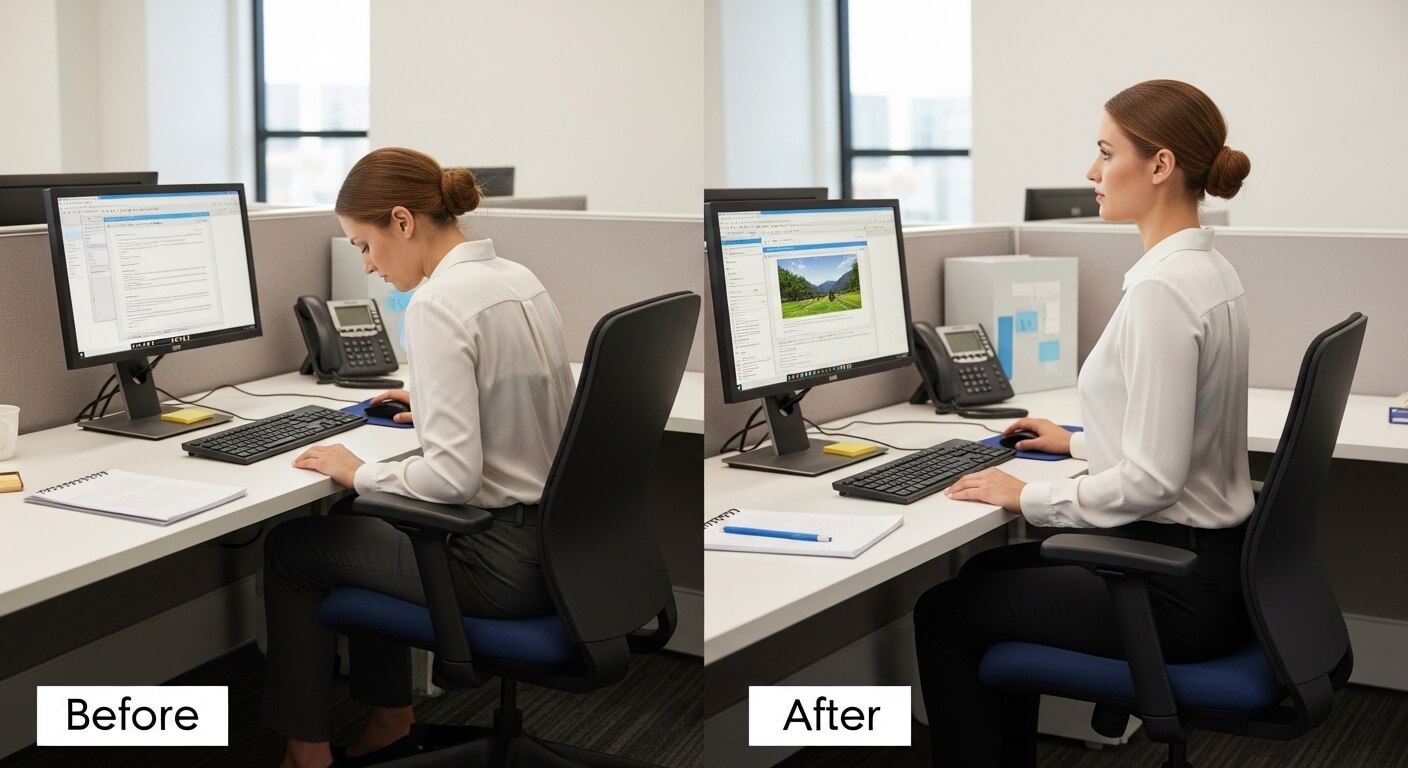
Good posture does more than help you look confident. It plays an important role in supporting your overall health, including how your muscles, joints, and spine function throughout the day. When your posture is properly aligned, your body works more efficiently, reducing unnecessary strain and discomfort.
Many people don’t realize how often poor posture develops in daily life. Long hours sitting at a desk, looking down at a phone, driving for extended periods, or even relaxing on the couch can slowly affect how the body holds itself. Over time, these habits may contribute to neck pain, back discomfort, headaches, and muscle tightness.
The good news is that improving posture does not require drastic changes. Small, consistent adjustments in your daily routine can make a meaningful difference over time.
Why Good Posture Matters
Posture is the way your body is positioned when sitting, standing, or moving. Proper posture helps distribute weight evenly across your muscles and joints, which reduces stress on the spine.
According to health experts, maintaining good posture can help reduce muscle fatigue and support long-term spinal health.
When posture is poor, certain muscles are forced to work harder than others. This imbalance can lead to stiffness, soreness, and reduced mobility over time. Good posture also supports better breathing, circulation, and energy levels throughout the day.
Common Causes of Poor Posture
Modern lifestyle habits are one of the biggest contributors to posture issues. Some of the most common causes include:
- Sitting for long periods without breaks
- Slouching while working on computers or laptops
- Looking down at smartphones frequently (“tech neck”)
- Weak core or back muscles
- Poor workstation setup
- Lack of regular movement or stretching
These habits may not cause immediate pain, but they gradually affect spinal alignment and muscle balance.
Signs Your Posture Needs Improvement
You may not always notice poor posture right away, but your body often gives warning signs, such as:
- Neck or shoulder pain
- Lower back discomfort
- Frequent headaches
- Rounded shoulders
- Difficulty standing or sitting straight for long periods
- Muscle stiffness, especially after sitting
If you experience these symptoms regularly, it may be time to pay closer attention to your posture habits.
Simple Daily Habits to Improve Posture
Improving posture starts with awareness. Small daily changes can gradually retrain your body to stay aligned.
1. Sit Correctly at Your Desk
Keep your feet flat on the floor, your knees at a 90-degree angle, and your back supported by your chair. Avoid leaning forward for long periods.
2. Adjust Screen Height
Your computer screen should be at eye level so you don’t have to tilt your head up or down.
3. Take Frequent Breaks
Stand up, stretch, or walk for a few minutes every 30–60 minutes to reduce stiffness.
4. Keep Shoulders Relaxed
Avoid shrugging or rounding your shoulders forward while sitting or standing.
5. Strengthen Core Muscles
A strong core supports the spine and helps maintain better posture naturally.
Simple Exercises That Help Posture
Incorporating light exercises into your routine can significantly improve posture over time. Some helpful movements include:
- Shoulder blade squeezes
- Chest stretches
- Neck stretches
- Planks for core strength
- Wall posture exercises
These exercises help strengthen weak muscles while loosening tight ones, creating better balance in the body.
Ergonomics: Setting Up Your Environment
Your workspace plays a major role in posture health. Poor ergonomics can lead to long-term discomfort if not addressed.
Make sure your chair, desk, and monitor are properly adjusted. Use supportive seating when possible, and avoid working in positions that strain your neck or back.
For more guidance on improving spinal health through care and lifestyle support, you can explore available chiropractic services here.
How Chiropractic Care Can Support Better Posture
Chiropractic care focuses on spinal alignment and joint mobility, which can directly support posture improvement. When the spine is properly aligned, the body is better able to maintain balance and reduce unnecessary strain on muscles.
Regular chiropractic adjustments may help:
- Improve spinal alignment
- Reduce muscle tension
- Increase mobility and flexibility
- Support long-term posture correction
Many people find that combining chiropractic care with daily posture habits leads to better and more lasting results.
Building Better Posture Over Time
Improving posture is not an overnight process. It requires consistency and awareness throughout the day. The key is to make small adjustments that gradually become natural habits.
Start by focusing on one or two changes, such as sitting properly or taking regular breaks. Over time, add stretching and strengthening exercises to support your progress.
Even simple changes, when practiced daily, can significantly improve how your body feels and functions.
When to Seek Professional Help
If you continue to experience pain, stiffness, or posture-related discomfort, it may be helpful to consult a professional. Chiropractic care can provide personalized support based on your specific needs and lifestyle.
At Boardman Family Chiropractic, patients receive care focused on improving spinal health, posture, and overall wellness. Whether you work long hours at a desk or want to improve daily comfort, professional guidance can help you make meaningful progress.
You can contact the clinic here for more information or to schedule an appointment:
📍 Address: 10235 S. 51st St. #170 Phoenix, AZ 85044
📞 Phone: (480) 704-1954
🌐 Website: https://ahwatukeechiropractic.com
Final Thoughts
Good posture is one of the simplest yet most powerful ways to support your long-term health. By becoming more mindful of how you sit, stand, and move throughout the day, you can reduce strain on your body and improve overall comfort.
With consistent habits, simple exercises, and supportive care when needed, better posture is achievable for everyone.